
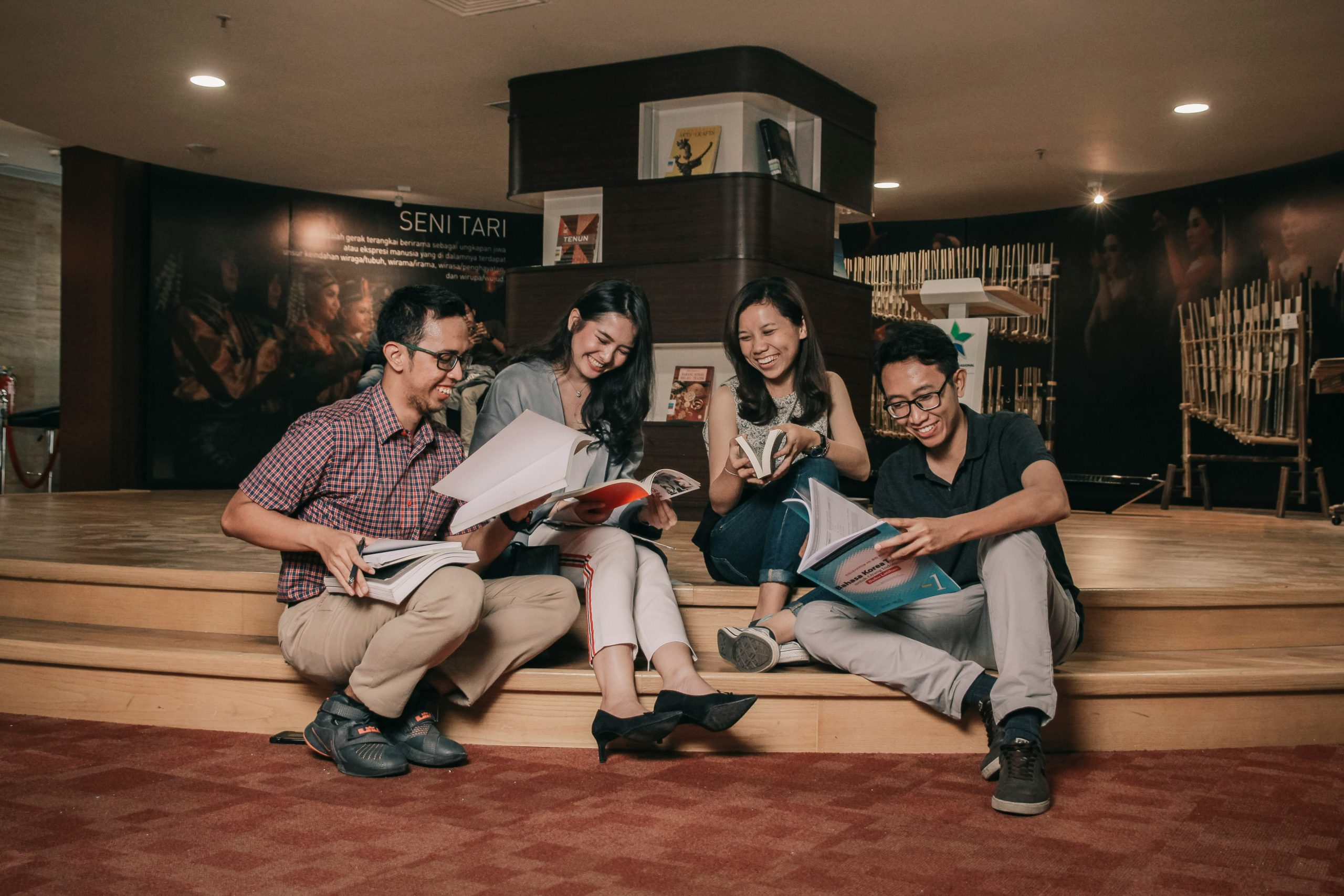
Student-Centred Learning lies at the heart of academic innovation today. At SIM Global Education (SIM GE) in Singapore, this approach shapes every internationally recognised degree and foreign degree offered in collaboration with partner universities across the UK, US and Australia. Rather than memorising information, students engage actively with problems, collaborate with peers, and reflect on their learning process—becoming adaptable, confident, and ready for global careers.
Understanding Student-Centred Learning in Context

Every learning philosophy begins with a core question: how can education make students think, not just remember? At SIM GE, Student-Centred Learning answers this by shifting ownership of education from lecturers to learners. It empowers students to ask why, experiment with how, and build their own meaning through guided exploration and reflection.
Defining Student-Centred Learning
At its core, Student-Centred Learning (SCL) means placing learners’ needs and interests at the heart of education. SIM GE integrates this philosophy across disciplines – from Business and Communication to Data Science and Psychology – so students learn through participation, not passivity. Each foreign degree offered through SIM GE encourages problem-solving, creativity and independent thinking rather than rote study.
How SIM GE Implements the Approach
Lecturers serve as facilitators who pose questions and guide discussion rather than delivering monologues. Classes combine short lectures with case studies, group tasks and feedback loops to reinforce understanding. This method bridges international curriculum standards with Singapore’s dynamic learning environment.
Core Benefits for Learners
- Autonomy and Agency: Students choose how to approach tasks and show their understanding.
- Engagement: Active learning maintains motivation and encourages curiosity.
- Transferable Skills: Problem-solving, communication and critical thinking apply beyond classroom walls.
Why Student-Centred Learning Matters in Modern Education

Globalisation and technology are reshaping careers faster than ever. To stay competitive, students need to learn how to learn. At SIM GE, Student-Centred Learning acts as the bridge between traditional education and modern employability – linking knowledge with skills that are relevant to real industries and global teams.
Shifting from Knowledge Transmission to Skill Transformation
Unlike lecture-driven methods, SCL develops critical thinking through interaction and reflection. Graduates from internationally recognised degrees under SIM GE can analyse information, evaluate arguments and apply solutions within diverse contexts – a crucial advantage in global careers.
The Three-Dimensional Learning Model
| Learning Dimension | SIM GE Focus | Outcome for Students |
|---|---|---|
| Professional Knowledge | Applied subject mastery and industry relevance | Work-ready expertise |
| Personal Effectiveness | Self-leadership and reflective thinking | Independent, resilient learner |
| Social Intelligence | Empathy and cross-cultural communication | Global collaborator and team leader |
Alignment with International Trends
Employers increasingly seek graduates who can integrate knowledge across disciplines. SIM GE’s approach ensures its foreign degree holders can adapt to AI-driven industries, sustainability sectors, and multinational organisations where initiative and empathy are essential.
Applying Student-Centred Learning Across Disciplines

The strength of SIM GE’s model lies in its application across multiple fields – each discipline translating the principles of Student-Centred Learning into practical formats that match industry expectations. Whether analysing financial models or crafting marketing strategies, students engage with hands-on tasks that reflect real professional contexts.
Business and Management Programmes
Students simulate consultancy projects for Singapore SMEs, prepare reports for stakeholders, and test theories through live data. This integration of industry practice develops decision-making and strategic communication skills essential to a global career.
Psychology and Social Sciences
Community partnerships allow students to design and evaluate projects on mental health or social well-being. These projects teach students how to collect data, interpret behaviour and recommend solutions rooted in ethics and empathy.
Digital and STEM Fields
In technology-focused modules, students work on capstone projects such as app development or AI visualisation for local businesses. These tasks make the foreign degree experience relevant to Singapore’s innovation-driven market.
Communication and Creative Studies
Students conceptualise campaigns and produce content that responds to real-world issues. Through feedback sessions and public showcases, they learn to connect audience insight with strategic execution – an authentic application of SCL.
The Campus as a Living Laboratory

The Clementi campus of SIM GE is not just a study venue – it is a living ecosystem for Student-Centred Learning. Every space is designed to encourage interaction, imagination and initiative, mirroring the collaborative culture of modern organisations.
Spaces Built for Engagement
Open learning areas, team pods and presentation zones allow students to experiment with ideas and prototype solutions. These flexible layouts reflect the realities of workplaces that value collaboration and rapid iteration.
Technology-Enhanced Learning
Blended learning tools extend participation beyond campus hours. Virtual seminars, discussion forums and interactive quizzes help students collaborate with peers from partner universities abroad – an essential feature of internationally recognised degrees.
Community and Well-Being as Part of Learning
Facilities like the Student Hub and Wellness Centre create spaces for peer support and holistic growth. This balance between academic rigour and emotional well-being defines SIM GE’s student-first environment.
Learning Through Co-Curricular Engagement

At SIM GE, education extends beyond the syllabus. Through clubs, societies and ambassador programmes, students apply their knowledge to leadership and service. This hands-on approach is where Student-Centred Learning meets character development – turning theory into practice in real-time.
Student-Run Clubs as Learning Platforms
Each of SIM GE’s 80 student organisations functions like a learning lab. Whether organising charity events or developing tech workshops, students apply project management skills and collaborative thinking outside the classroom.
The Student Ambassador Programme
Ambassadors represent SIM GE at open houses and community events, training in public speaking and interpersonal communication. These roles foster confidence – a core goal of every internationally recognised degree experience at SIM GE.
Leadership Through Collaboration
| Activity Type | Skills Developed | Learning Outcome |
|---|---|---|
| Innovation & Networking Society | Design thinking, creative problem solving | Entrepreneurial mindset |
| Sports Teams & Arts Groups | Strategic teamwork, discipline, communication | Resilience and leadership |
| Cultural Clubs & Societies | Intercultural dialogue and empathy | Global citizenship |
Embedding Local Spirit within a Global Curriculum

Singapore’s cosmopolitan culture makes it an ideal setting for Student-Centred Learning. At SIM GE, students blend international perspectives with local values through projects that link global concepts to community needs – proving that an internationally recognised degree can also be deeply rooted in place.
Local Engagement Projects
Students collaborate on heritage initiatives, sustainability drives, and public dialogues that connect academic learning to Singapore’s social ecosystem. This encourages social responsibility and active citizenship.
Global Exchange and Virtual Collaboration
Partnerships with universities abroad enable joint classes and online summits. Students exchange ideas across time zones and cultures, developing cross-border teamwork skills that distinguish SIM GE’s foreign degree graduates.
Blending Local and Global Perspectives
By learning in Singapore’s multicultural context while pursuing international curricula, students gain a dual advantage: they become both globally informed and locally grounded – hallmarks of effective global citizenship.
Faculty as Facilitators of Learning

The success of Student-Centred Learning depends on how teachers teach. At SIM GE, faculty members redefine their roles from lecturers to mentors – co-designing learning experiences with students and encouraging dialogue that leads to discovery.
Redefining the Educator’s Role
Professors use facilitation methods such as guided questioning and group reflection. They encourage students to compare perspectives and defend ideas – a key feature of critical thinking in internationally recognised degrees.
Assessment for Growth
Instead of relying solely on exams, SIM GE uses project-based and formative assessment. Feedback loops help students refine their approaches and measure progress throughout the term, not just at its end.
Faculty Development and Innovation
SIM GE lecturers undergo continuous training in digital pedagogy and inclusive learning. This ensures that the foreign degree programmes delivered locally maintain the same academic quality as their overseas counterparts while reflecting Singapore’s educational culture.
Measuring the Outcomes of Student-Centred Learning

When Student-Centred Learning is applied consistently, the results are both measurable and meaningful. At SIM Global Education (SIM GE), the success of every internationally recognised degree is assessed not only through academic results but also through employability, confidence, and lifelong learning capacity. Graduates demonstrate a balance of technical skill, critical thinking and self-awareness that employers increasingly demand in a fast-changing economy.
Academic Excellence with Independence
Students accustomed to taking ownership of projects tend to outperform in open-ended assessments. SIM GE’s internal feedback loops—tutorial reflection journals, formative critiques, and peer evaluation—encourage learners to plan their progress proactively. This autonomy becomes a habit that extends beyond university life.
Employability and Real-World Relevance
Data from SIM GE’s graduate surveys show that most alumni secure employment or pursue further studies within months of graduation. Their ability to translate theory into practice gives them an edge, particularly in fields like digital marketing, fintech, analytics, and communications. Employers value the analytical confidence that emerges from Student-Centred Learning environments.
Personal Growth and Global Readiness
Beyond academic metrics, students report enhanced resilience, cultural empathy, and leadership awareness. These outcomes mirror the goals of foreign degree programmes that prepare individuals to collaborate across geographies and disciplines.
Comparing Student-Centred Learning and Traditional Education

To understand SIM GE’s distinctive approach, it helps to contrast it with conventional classroom models. The table below outlines how Student-Centred Learning transforms the learning relationship from passive to participatory—turning students into contributors, not consumers.
Key Differences in Approach
| Aspect | Student-Centred Learning at SIM GE | Traditional Instruction |
|---|---|---|
| Role of Learner | Active participant who co-creates knowledge | Passive recipient of lecturer content |
| Teaching Method | Facilitation through discussion and projects | One-way lecturing and note-taking |
| Assessment | Formative feedback, portfolios and presentations | High-stakes final exams only |
| Learning Goal | Critical thinking and application of concepts | Content retention and recall |
| Collaboration | Peer and cross-cultural learning encouraged | Individual achievement emphasised |
Integration into SIM GE’s Internationally Recognised Degrees
Each foreign degree delivered at SIM GE—from partner universities such as the University at Buffalo (US) and the University of Wollongong (Australia)—adapts the same learner-first ethos. While syllabi remain aligned with global accreditation standards, the delivery within Singapore focuses on contextual application and reflective learning cycles.
Benefits for Future Employers and Industries
Employers note that graduates from Student-Centred Learning environments exhibit stronger initiative and communication. They adapt faster to workplace feedback and show confidence in collaborative decision-making—traits increasingly essential in hybrid and international workplaces.
Graduate Experiences and Success Stories
Behind every philosophy are people whose journeys embody it. SIM GE’s alumni community provides living proof of how Student-Centred Learning nurtures capability and character simultaneously. Their experiences demonstrate how an internationally recognised degree translates into meaningful, global-ready success.
From Learners to Leaders
Graduates often describe the transition from structured learning to self-driven projects as the turning point in their development. Former students of business and IT programmes recount how group-based case work taught them to lead teams and make decisions under uncertainty—skills directly applicable to managerial roles.
Intercultural Confidence and Communication
Students who participated in international exchange or virtual collaboration projects report improved cultural fluency. By navigating time zones and diverse working styles, they learned to communicate diplomatically—an asset for careers in multinational corporations and NGOs alike.
Continuing Education and Professional Growth
Many alumni pursue postgraduate studies overseas after completing their foreign degrees at SIM GE. Their familiarity with global classroom norms and project-based assessments makes this transition seamless. Others credit their undergraduate exposure to experiential learning for motivating them to enter industries such as consultancy, education, and social entrepreneurship.
The Long-Term Benefits of Student-Centred Learning
The impact of Student-Centred Learning extends well beyond graduation. By placing reflection and agency at its core, SIM GE’s method builds lifelong learners capable of self-renewal in fast-evolving industries.
Lifelong Adaptability
Because students practice continuous reflection, they learn how to update their knowledge and skills long after earning an internationally recognised degree. This adaptability supports career shifts across functions and sectors.
Ethical and Social Responsibility
Exposure to community-based projects cultivates civic awareness. Graduates leave SIM GE with an appreciation for sustainability, diversity and ethics—qualities increasingly valued by forward-thinking employers.
Innovation and Entrepreneurship
Through design-thinking workshops and hackathons, students learn to approach challenges creatively. Several alumni have since founded start-ups, illustrating how the foreign degree experience at SIM GE can spark entrepreneurial ambition.
Building a Global Community of Learners
One of SIM GE’s most distinctive strengths is its inclusive, multicultural network. Student-Centred Learning thrives in such diversity because each learner contributes unique perspectives shaped by their culture, discipline, and experience.
Cross-Cultural Dialogue and Peer Learning
Group projects mix local and international students, turning classrooms into microcosms of the global workplace. This model reinforces respect, negotiation, and empathy—hallmarks of successful collaboration across borders.
Global Partnerships and Mobility
Through articulation agreements and study-abroad options, SIM GE students can complete part of their foreign degree at partner campuses overseas. These experiences provide exposure to different academic traditions while maintaining the learner-centred ethos.
Networking and Alumni Mentorship
Alumni frequently return as mentors or guest speakers, creating feedback loops that sustain the community of practice. Students gain insights into real-world challenges while developing professional connections before graduation.
Challenges and Continuous Improvement
Implementing Student-Centred Learning is an evolving process that requires institutional commitment. SIM GE recognises that effective SCL depends on ongoing faculty training, technology investment, and student feedback integration.
Balancing Autonomy and Guidance
While independence is key, some students initially find open-ended learning daunting. Faculty respond by providing structured milestones, ensuring confidence grows with autonomy.
Leveraging Digital Infrastructure
The use of hybrid classrooms and AI-supported analytics allows SIM GE to personalise learning experiences. Students receive targeted feedback based on engagement data, reinforcing the responsiveness central to SCL.
Maintaining Consistency Across Partner Universities
Because SIM GE collaborates with multiple international institutions, maintaining academic coherence is essential. Regular joint reviews align teaching outcomes and assessment standards across campuses, guaranteeing the same rigour for every internationally recognised degree.
Conclusion: The Future of Learning Is Student-Centred
Education worldwide is entering a new era where flexibility, inclusivity, and agency define success. At SIM Global Education, Student-Centred Learning turns these ideals into daily practice—helping students translate curiosity into capability. By merging international standards with Singapore’s pragmatic spirit, SIM GE offers more than an internationally recognised degree: it offers a transformative experience that equips learners to lead, adapt, and thrive.
Whether you are a recent graduate seeking a foreign degree or a working professional returning to study, SIM GE’s model demonstrates that learning is most powerful when you are at the centre of it. This is the essence of future-ready education—rooted in reflection, powered by participation, and recognised across the world.
Frequently Asked Questions (FAQs):
What makes Student-Centred Learning effective?
It develops higher-order thinking by shifting focus from passive listening to active exploration. Students learn how to question, test, and apply knowledge—a skill that sustains lifelong growth.
How is real-world learning applied at SIM GE?
Through internships, case-based coursework, and collaborative projects, students bridge classroom theory with industry practice across Singapore and the region.
Does Student-Centred Learning help career readiness?
Yes. The emphasis on teamwork, reflection, and presentation directly mirrors workplace competencies, enhancing employability for graduates of internationally recognised degrees.
How does SIM GE support international students?
Dedicated student advisers, cultural clubs, and mentorship programmes help overseas learners adapt academically and socially while maintaining a sense of community.
Are SIM GE’s degrees the same as those from partner universities abroad?
Absolutely. Each foreign degree programme delivered in Singapore follows the same syllabus, assessment standards, and graduation requirements as the awarding university.
References:
https://xqsuperschool.org/teaching-learning/what-is-student-centered-learning/
https://lincs.ed.gov/sites/default/files/6%20_TEAL_Student-Centered.pdf
https://www.edutopia.org/blog/student-centered-learning-starts-with-teacher-john-mccarthy